
Need Help With Your Exterior?
Our certified handymen can handle all your exterior maintenance needs - from painting and repairs to full restorations.
Servicing Melbourne, Brisbane, Sydney, Adelaide and Perth. Find Your Locations
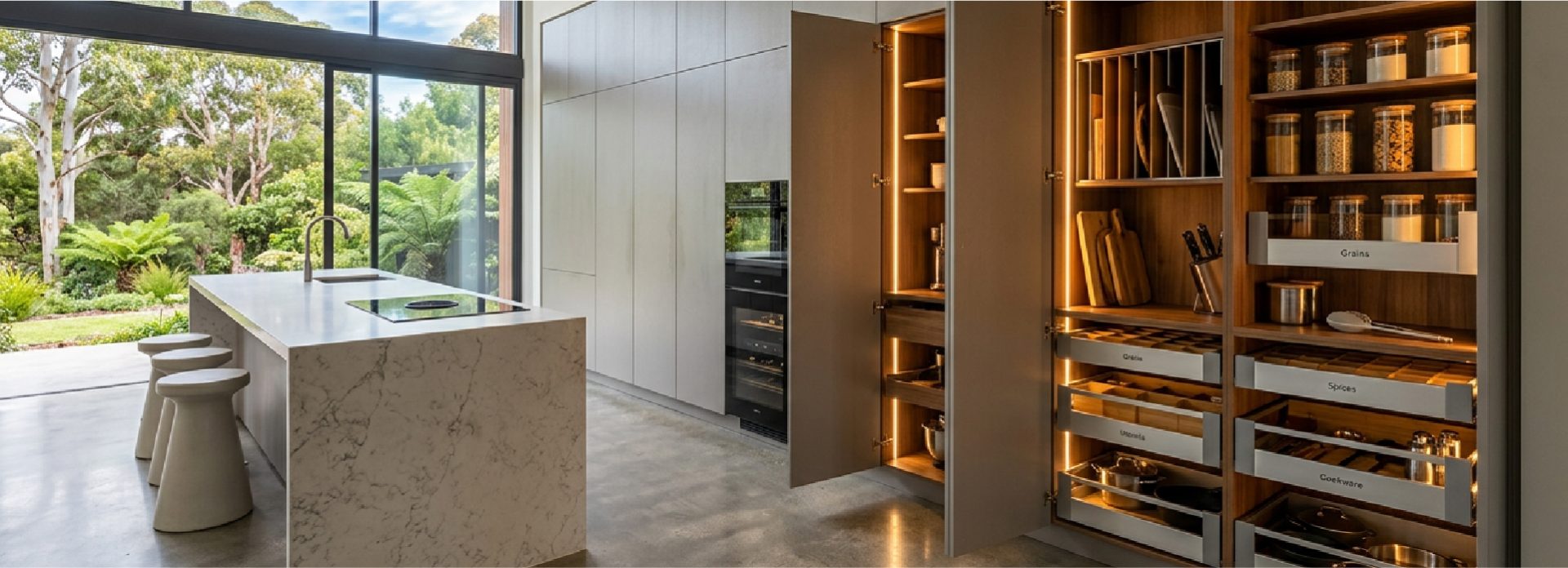
From weatherboard cladding to brick facades, keeping your home's exterior in top condition protects your investment and boosts curb appeal. Here's everything you need to know about seasonal maintenance.

Your home's exterior is the first line of defence against Australia's harsh climate. From the scorching summer sun in Perth to the heavy winter rains in Melbourne, every element of your property's facade takes a beating throughout the year. Neglecting exterior maintenance doesn't just affect your home'sappearance - it can lead to structural damage, pest infestations, and a significant drop in property value.
According to the Housing Industry Association (HIA), Australian homeowners who invest in regular exterior maintenance save an average of $12,000-$18,000 over a decade compared to those who wait for problems to become critical. Prevention is always more affordable than repair.
"The biggest mistake homeowners make is treating exterior maintenance as cosmetic. In reality, it's structural. A small crack in your render today can become a $5,000 water damage repair next year."
— David Chen, Senior Property Inspector, Ausstar Service
Different seasons demand different priorities. Here's a practical guide tailored to Australian conditions that will help you stay on top of your home's exterior needs year-round.
The intense UV radiation and heat can wreak havoc on painted surfaces, timber decking, and roofingmaterials. Summer is also the peak season for termite activity in most Australian states.
Pro Tip
Schedule a professional termite inspection every 12 months. In Queensland and northern NsW, considersix-monthly inspections due to higher termite activity. Early detection can save you tens of thousands in structural repairs.
Autumn is the ideal time for preparation work before winter weather arrives. Cooler temperatures also make it the perfect season for exterior painting projects.
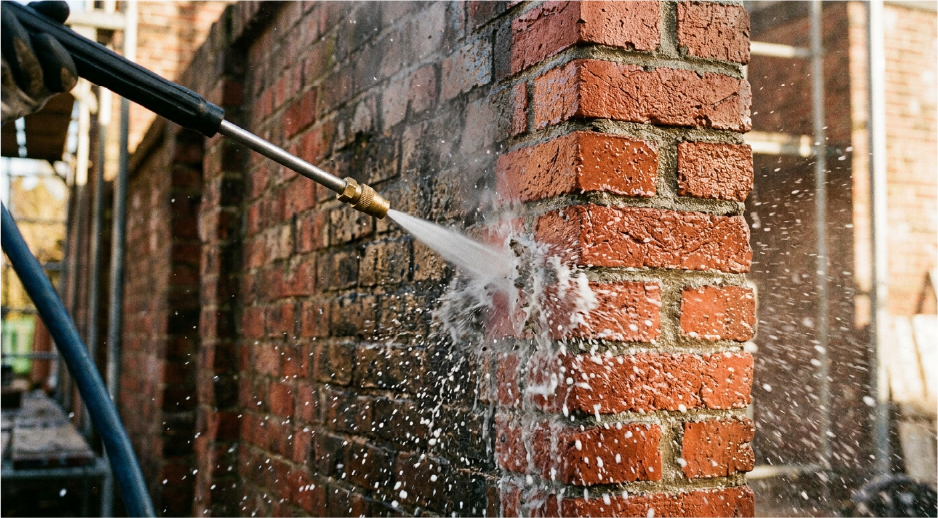
Winter is primarily about monitoring and addressing urgent issues before they escalate. Heavy rain and strong winds can expose vulnerabilities in your home's exterior envelope.


We respond to all enquiries within 2 business hours during operating hours.

Every enquiry receives a detailed, no-obligation quote tailored to your needs.

A dedicated project coordinator is assigned to every client for seamless communication.